Logitech G Pro X Superlight 2 Review: The Safe Benchmark
The most trusted shape in esports, now with numbers that no longer apologize to anyone.
By Daniel Kwon · October 6, 2026 · Updated October 6, 2026
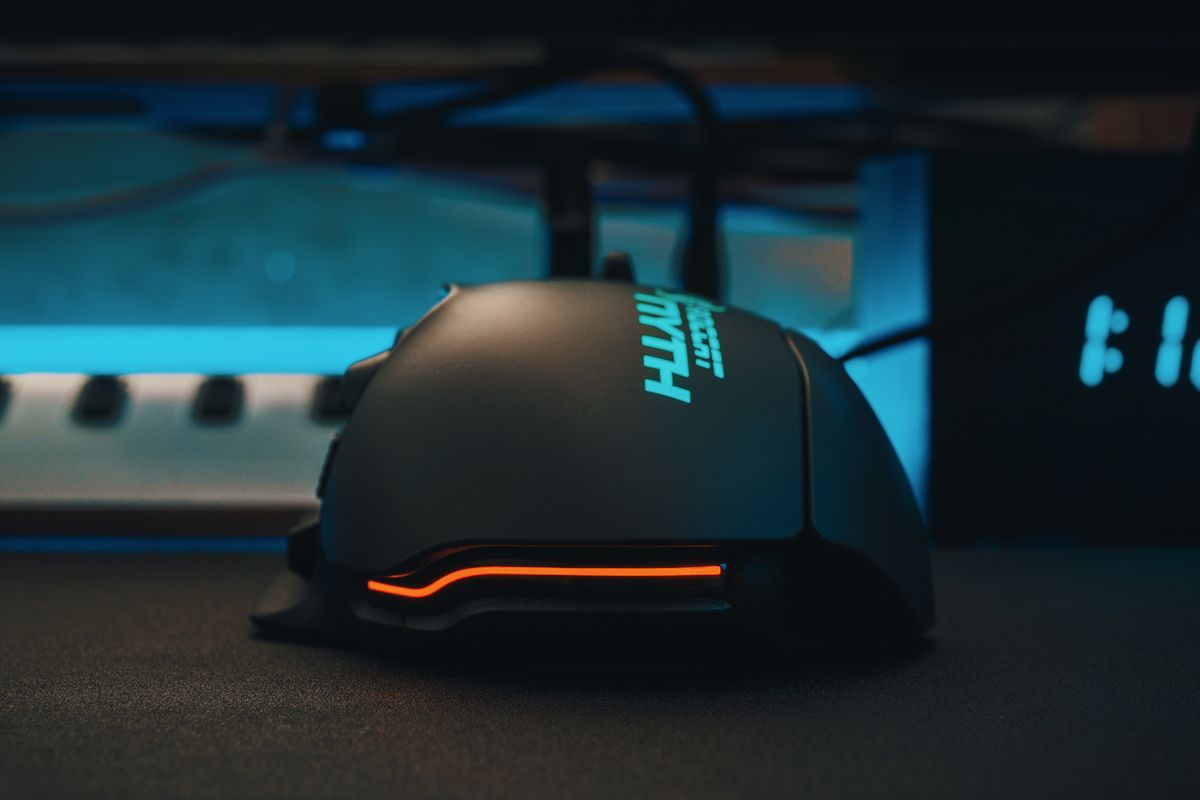
Every esports peripheral category has one default answer, and in mice it is the Logitech G Pro X Superlight 2. That status was earned by the shape first and the specs second — but the second part matters more now, because the current spec sheet finally matches the competition it used to concede.
What Logitech publishes, line by line
Three numbers define this mouse:
- 60 grams on Logitech’s official specification page, with a 125 × 63.5 × 40 mm symmetrical shell and five buttons.
- HERO 2 sensor, rated 100 to 44,000 DPI, above 888 IPS and 88 G of acceleration, with zero smoothing or filtering.
- Up to 8000 Hz report rate — Logitech’s spec page now lists 8000 Hz (0.125 ms) as the maximum, which closes the polling gap that rivals exploited at launch.
Battery is quoted at 95 hours of constant motion, and the LIGHTFORCE hybrid switches combine optical detection with a mechanical click feel — a pairing that avoids the hollow click some full-optical mice ship with. Nothing here is speculative: every figure above comes from Logitech’s own published specification page for the current hardware revision.
Against Razer and Pulsar
Against the Razer Viper V3 Pro, the Superlight 2 loses the weight row by six grams and ties polling at 8000 Hz. What it keeps is the shape: a decade of pro play has made this profile the reference for claw and palm grips. When the two conflict, shape wins. The Viper’s answer is a lower, flatter hump that fingertip players tend to prefer.
Against the Pulsar X2, the question is money. Pulsar ships a 59-gram shell and the PAW3395 sensor at $99.95 — sixty dollars less for a spec sheet that covers most players. The picks section below lays out the rows.
Who it suits
If your grip is claw or palm and your hands are medium or larger, this is the shortest path to a mouse you never think about. Fingertip players should check our grip-style guide first, because lighter, shorter shells exist. If you want to understand what the 8000 Hz row actually buys you on a 240 Hz display, our polling rate explainer does the math.
Two caveats straight from the spec sheet. Five buttons means no thumb grid for MMO binds, and the 95-hour figure assumes 1000 Hz — running 8000 Hz costs real battery; every headline figure in this category carries the same fine print. The PTFE feet are zero-additive and glide cleanly on cloth and hard pads alike, but no foot choice rescues a shape that does not fit your hand.
Not the lightest, not the cheapest, still the default. People buy the Superlight 2 for the shape; the specs just stopped being the excuse not to.
The picks
Some links below are affiliate links — we may earn a commission at no extra cost to you.
Logitech G Pro X Superlight 2
Best overall $159.9960 g, HERO 2 sensor, up to 8000 Hz polling and 95 hours of battery in the most trusted shape in esports.
Razer Viper V3 Pro
Lightest spec leader $159.9954 g with the Focus Pro 35K Gen-2 sensor and true 8000 Hz wireless polling via the HyperPolling dongle.
Pulsar X2
Best value $99.9559 g and a flagship PAW3395 sensor at $99.95, with 1000 Hz polling that costs little in practice.
Comparison
| Specification | Logitech G Pro X Superlight 2 | Razer Viper V3 Pro | Pulsar X2 |
|---|---|---|---|
| Weight | 60 g | 54 g | 56 g |
| Sensor | HERO 2, 44,000 DPI | Focus Pro 35K Gen-2 | PAW3395, 26,000 DPI |
| Max polling rate | Up to 8000 Hz | Up to 8000 Hz wireless | 1000 Hz |
| Battery | Up to 95 hours | Up to 95 hours at 1000 Hz | 70 hours |
| MSRP | $159.99 | $159.99 | $99.95 |
Frequently asked questions
- Is the Logitech G Pro X Superlight 2 worth it over the original Superlight?
- If you want the HERO 2 sensor, 8000 Hz-capable polling and lighter clicks, yes; the shape is nearly identical, so grip comfort will not change.
- Does the Superlight 2 support 8000 Hz polling?
- Logitech's specification page lists a maximum report rate of 8000 Hz (0.125 ms); battery life drops from the 95-hour figure at sustained high polling.
- How does the Superlight 2 compare with cheaper 59-gram mice?
- Mice like the Pulsar X2 match the weight and ship flagship sensors for around $60 less; you pay the premium mainly for shape refinement and LIGHTSPEED reliability.